Coffee-Driven Development
A developer's guide to caffeine optimization
The Caffeine Manifesto
All developers know this. It is 2 AM. The deadline is coming. Your brain is slow like old Windows 95.
You tried energy drinks. You tried sleeping for 10 minutes. You tried that breathing thing from TikTok. But nothing works like good coffee.
"Give a developer fish, they work one day. Give developer coffee, they work all night and break production."
— Old Developer Saying
This guide is not just about staying awake. It is about knowing your coffee. How to make good coffee. How beans become your power drink. Welcome to Coffee for Developers.
Why Coffee Matters
Let us look at the numbers. I did my own study at 3 AM while fixing bugs. Better coffee means better code:
More coffee means more work. Until you drink too much. Then magic happens.
The Bean Wars: Arabica vs Robusta
Before you make good coffee, you need to know about beans. It is like knowing different programming languages. Both work, but one is better.
Origin Stories
Like programming languages, coffee beans come from different places and have different tastes:
The Roast Spectrum
Roasting changes green coffee beans into brown coffee we love. It is like compiling code. How you do it matters a lot.
Move your mouse over each roast level to see tips. Darker roast means less original bean taste. But also less caffeine in each bean.
Light Roast: The Purist's Choice
Light Roast Level
Characteristics
- High acidity
- Complex flavor profiles
- Maximum caffeine retention
- No oil on surface
- Bright, fruity notes
Best For
Use this for pour-over coffee. Good for tasting one type of bean. Best for morning coding when your brain is fresh.
Medium Roast: The Balanced Middle
Medium Roast Level
Characteristics
- Balanced acidity and body
- Caramel and chocolate notes
- Moderate caffeine
- Slight oil sheen
- The "Goldilocks" roast
Best For
Drip coffee, french press, and sustained coding sessions. This is your daily driver—the Toyota Camry of coffee roasts. Reliable, versatile, won't let you down during a 4-hour debugging marathon.
Medium-Dark Roast: The City Levels
Medium-Dark Roast Level
Characteristics
- Rich, darker color with some oil on the surface
- Bittersweet aftertaste
- Flavor and aroma emerge, acidity disappears
- Spicy notes begin to appear
- Perfect for those who want balance with depth
Dark Roast: The Night Owl's Fuel
Dark Roast Level
Characteristics
- Low acidity
- Bold, smoky, bitter
- Chocolate and burnt caramel
- Visible oil on surface
- Less caffeine per bean
Best For
Espresso, late-night coding, and pretending you're a noir detective solving the mystery of why your code worked yesterday but doesn't today.
Espresso: The Power User's Choice
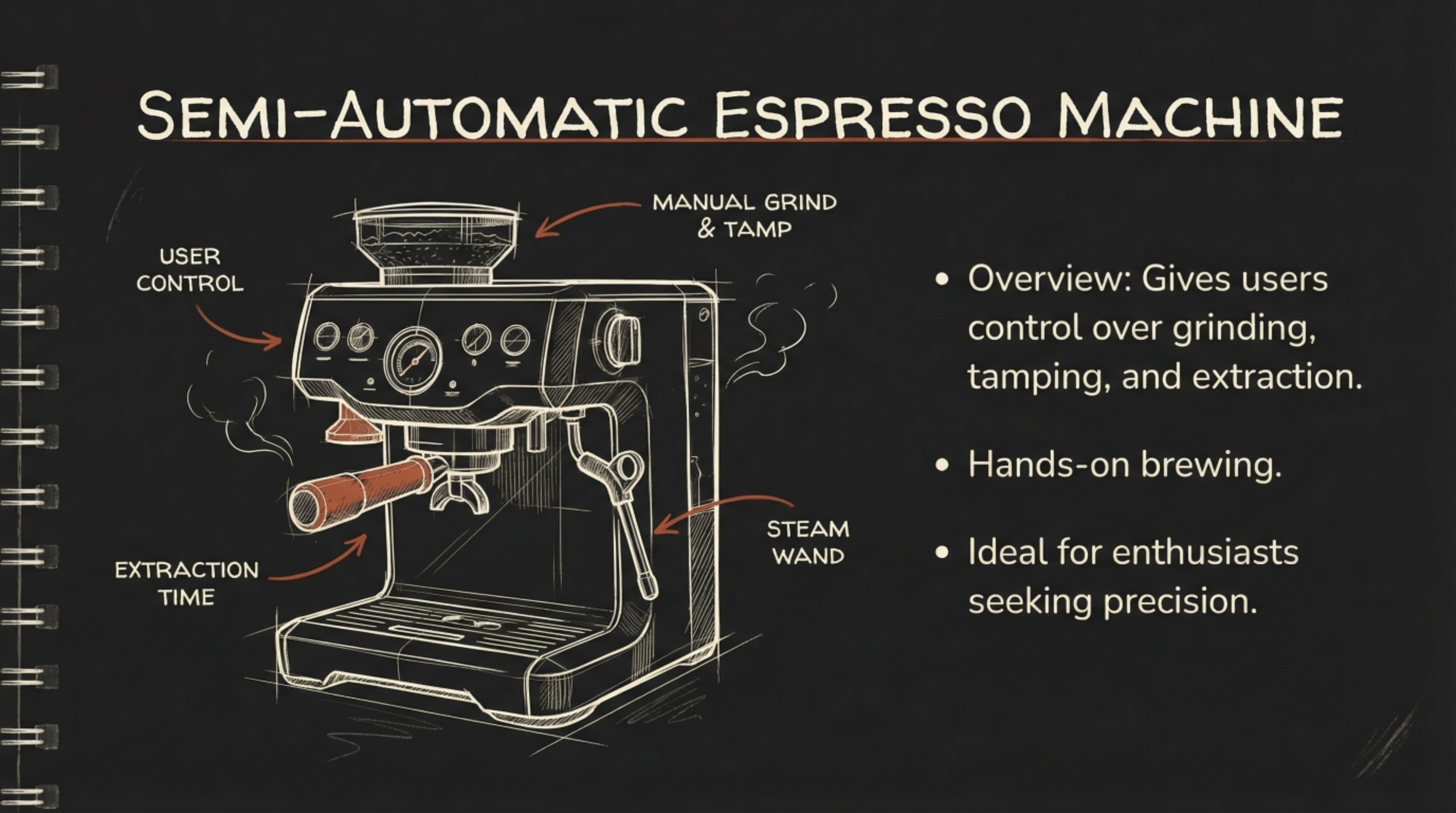
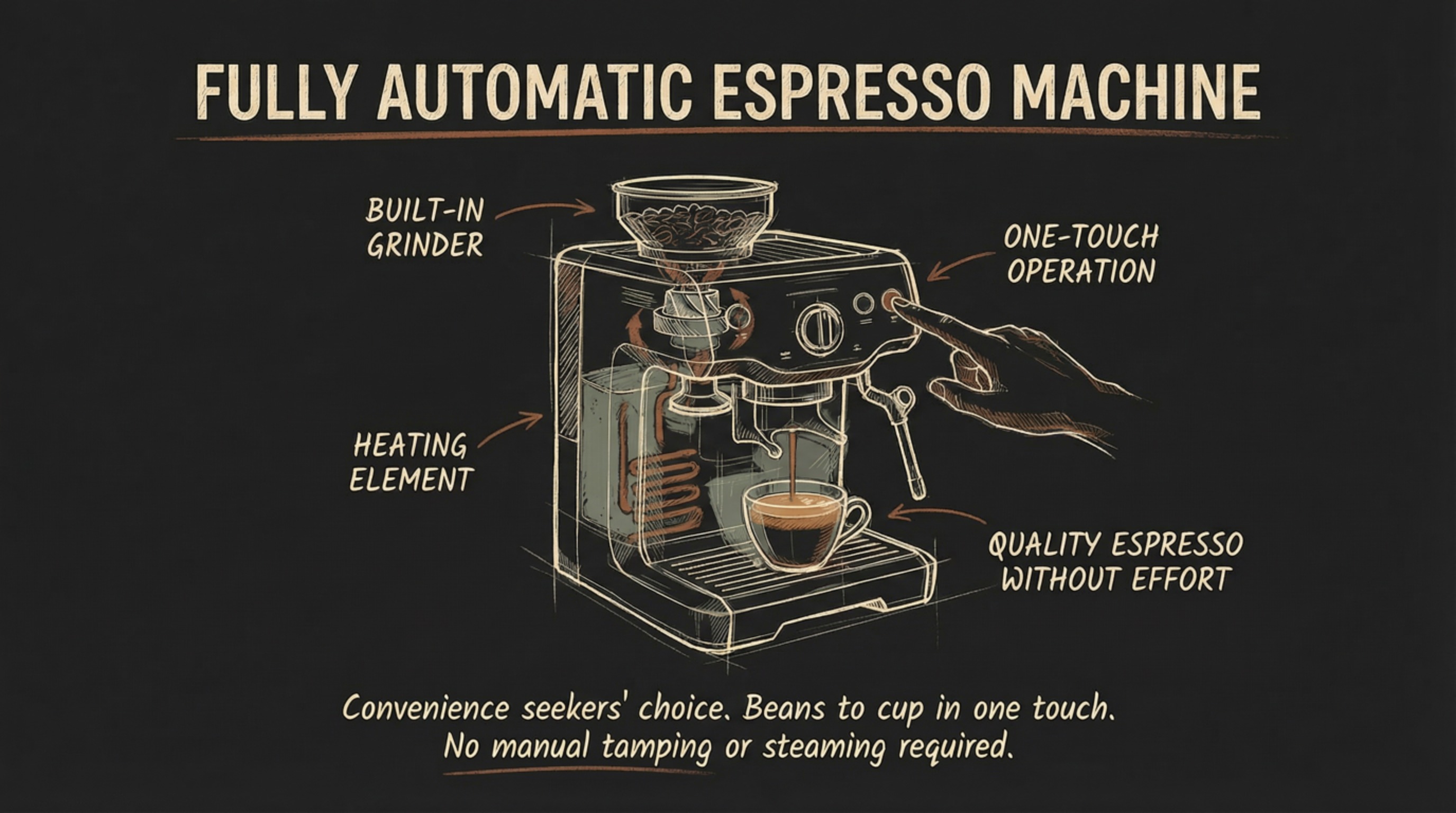
Espresso is the command line of coffee—powerful, precise, and not for the faint of heart. One shot contains 60-70mg of caffeine concentrated into 1-2 ounces of liquid intensity.
Equipment Needed
- Espresso machine (semi-auto or manual)
- Burr grinder (non-negotiable)
- Scale (0.1g precision)
- Timer
- Tamper
- Patience and a dream
Pour Over: The Artisan's Method
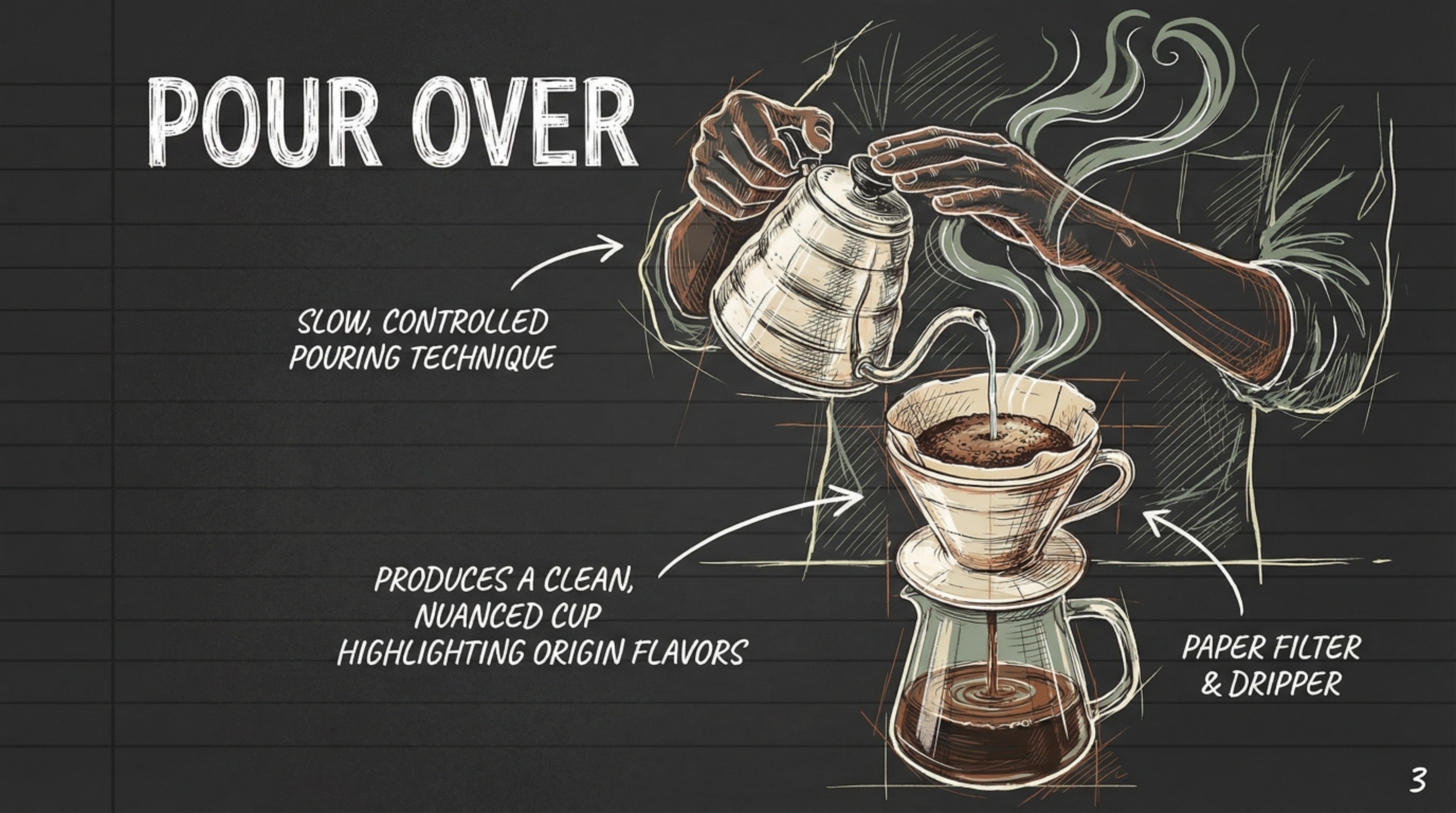
Pour over is the functional programming of coffee—every variable matters, the process is transparent, and the result is elegant. V60, Chemex, and Kalita Wave are popular choices.
| Parameter | Value | Notes |
|---|---|---|
| Ratio | 1:15 to 1:17 | Adjust to taste |
| Grind | Medium-fine | Like sea salt |
| Water Temp | 90-96°C | Just off boil |
| Bloom | 30 seconds | 2x coffee weight |
| Total Time | 2:30 - 3:30 | Depends on method |
French Press: The Full Immersion
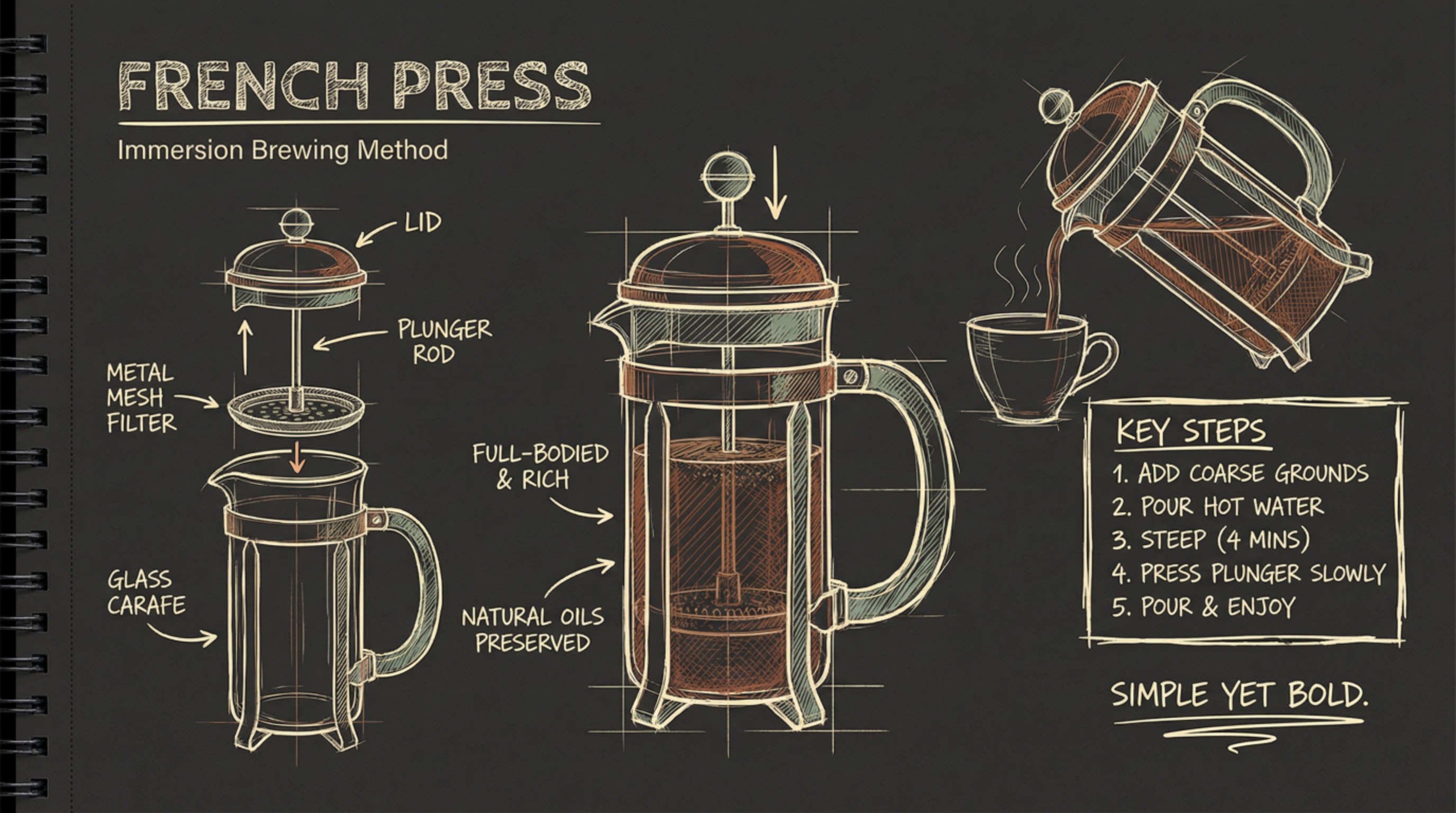
French press is the bash script of coffee—simple, effective, gets the job done. Full immersion brewing extracts maximum flavor and oils.
Cold Brew: The Patient Developer's Choice
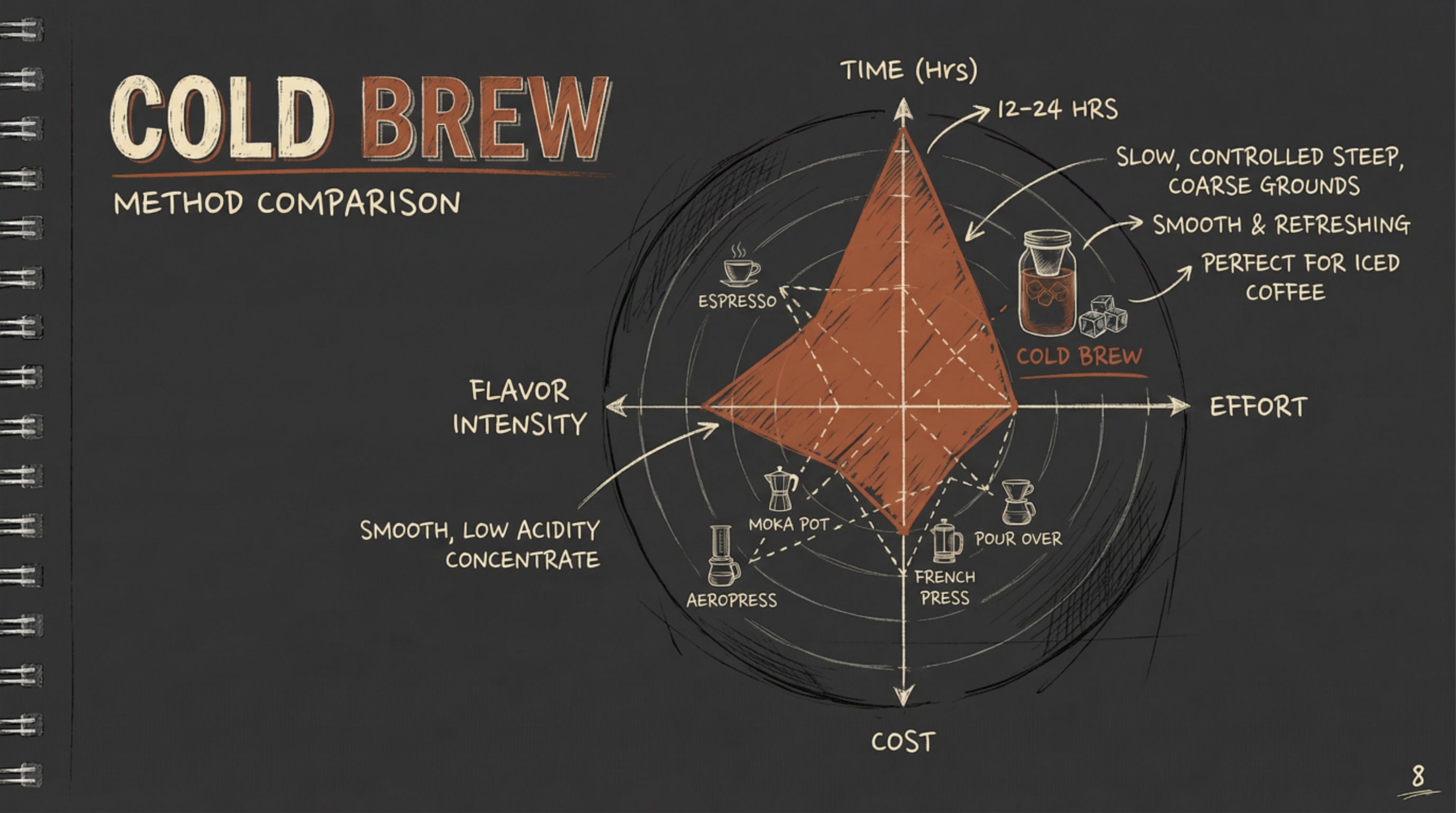
Cold brew is the async/await of coffee—it takes time, but the result is worth it. Brewed with cold water over 12-24 hours, it's smooth, low acidity, and highly caffeinated.
Why Cold Brew?
- 70% less acidic than hot coffee
- Smooth, chocolatey taste
- Stays fresh for up to 2 weeks
- High caffeine concentration
- Perfect for batch brewing
AeroPress: The Hacker's Tool
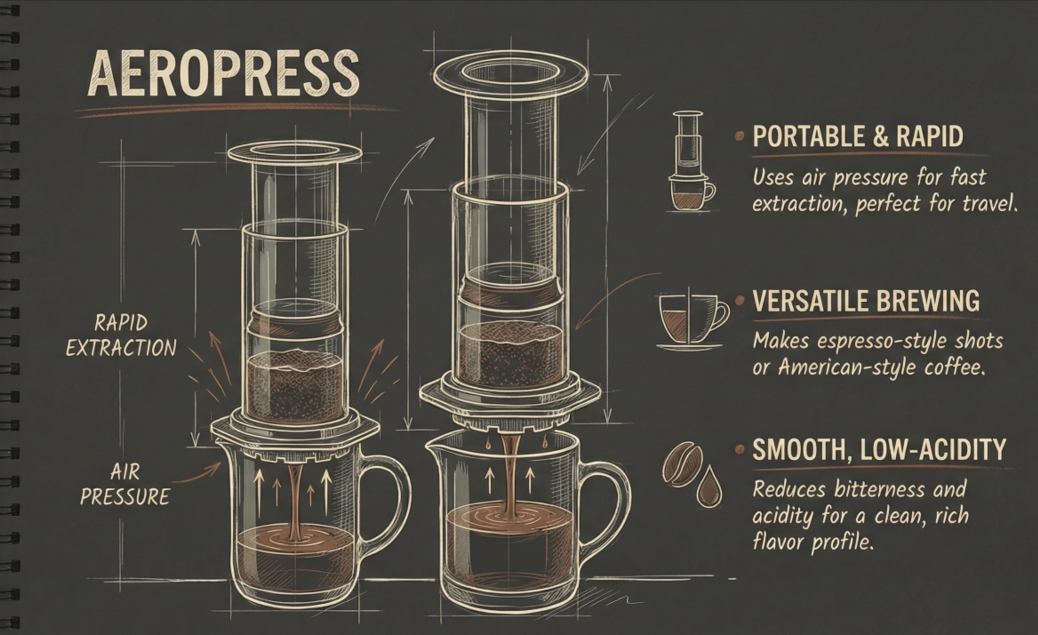
The AeroPress is the Swiss Army knife of coffee—portable, versatile, and beloved by coffee geeks worldwide. It's like having a programmable coffee maker that fits in your backpack.
Why Developers Love It
- Durable (nearly indestructible)
- Portable (travel-friendly)
- Fast (2-minute brew time)
- Versatile (espresso-like to drip-style)
- Easy cleanup
- Perfect for hackathons
Moka Pot: The Stovetop Espresso
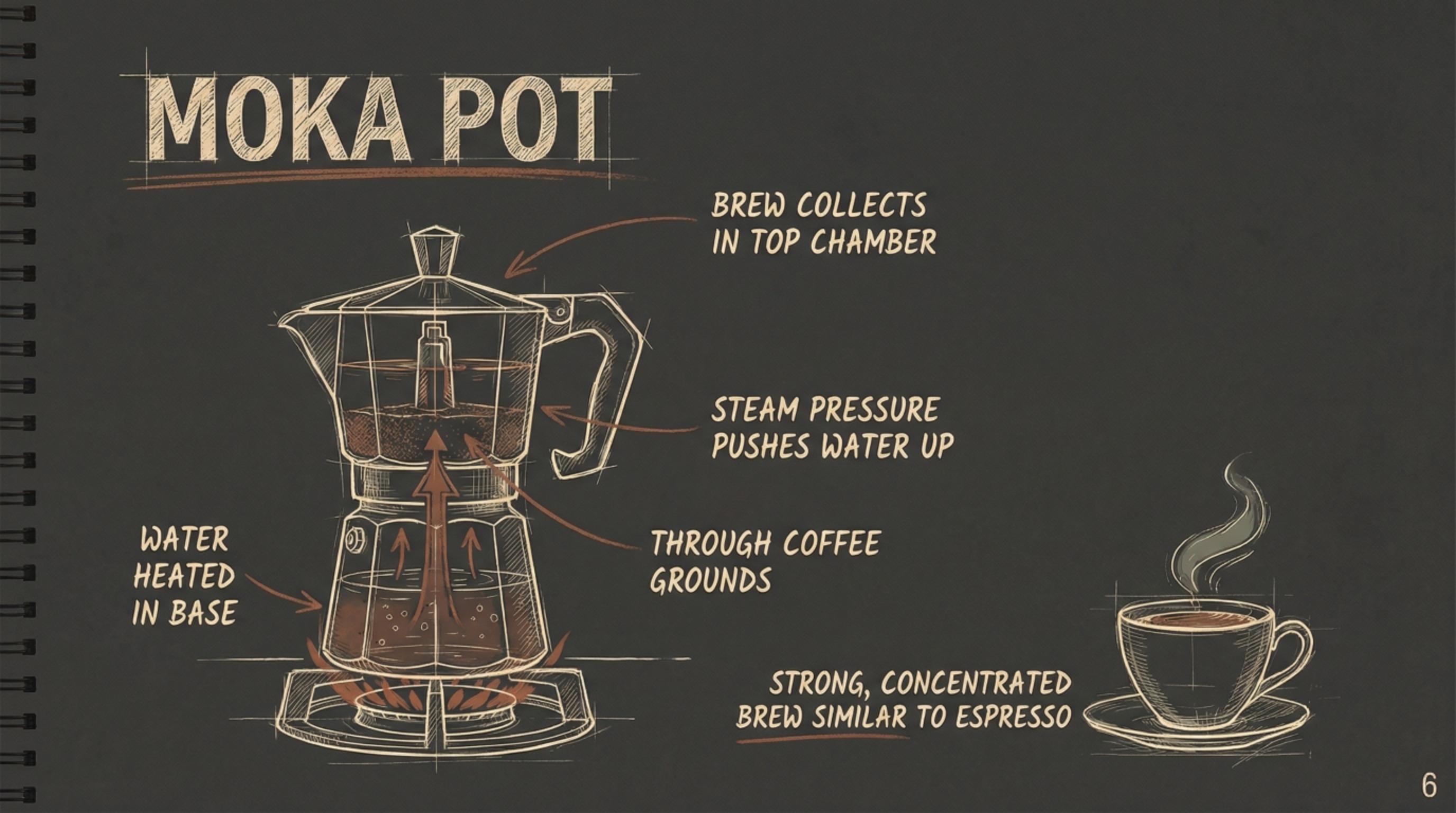
The Moka Pot is the old-school developer's coffee maker—no electricity, no fancy gadgets, just steam pressure doing the work. It's like the vintage mechanical keyboard of brewing methods: reliable, timeless, and makes a satisfying sound when it's working.
Why Developers Love It
- No electricity needed—works on any stove, even camping
- Durable—made of aluminum or stainless steel, lasts decades
- Strong coffee—closer to espresso than drip
- Fast—5 minutes from start to finish
- Satisfying bubbling sound (the "Moka gurgle")
- Retro aesthetic looks cool on any desk
Pro Tips
- Pre-heat the water: Start with hot water in the bottom chamber to prevent the coffee from "cooking" while heating up
- Don't tamp: Just level the grounds—tamping creates too much pressure
- Keep it clean: The rubber gasket and safety valve need regular cleaning
- Size matters: Bialetti sizes (1-cup, 3-cup, 6-cup, 9-cup) refer to espresso-sized shots, not mug servings
Coffee Drinks: Choose Your Weapon
Now you know about beans and roasting. But what about the final drink? Here are popular coffee drinks explained simply:
☕ Black Coffee Family
🥛 Milk Coffee Family
⚡ Espresso Family
🍫 Sweet Coffee Family
• Want strong coffee taste? → Black coffee or espresso
• Want creamy and smooth? → Latte or flat white
• Want fluffy foam? → Cappuccino
• Want sweet treat? → Mocha or affogato
• Want to wake up NOW? → Red eye or doppio
Caffeine Calculator
Know your limits. The FDA recommends no more than 400mg of caffeine per day—though most developers discover this number through empirical testing.
| Beverage (8oz) | Caffeine Content | Developer Mode |
|---|---|---|
| Brewed Coffee | 95mg | Standard |
| Espresso (1 shot) | 64mg | Emergency |
| Cold Brew | 200mg | Power Mode |
| Instant Coffee | 60mg | Desperate Times |
| Decaf | 2mg | Why bother? |
Timing Your Brews
Coffee timing is as important as code deployment timing. Drink too early and you crash before lunch. Drink too late and you're staring at the ceiling at 3 AM wondering why you can hear colors.
Optimal Coffee Schedule
Crash Prevention Strategies
The dreaded caffeine crash—when your code quality drops faster than your blood sugar. Here's how to avoid it:
The L-Theanine Protocol
Green tea contains L-theanine, an amino acid that smooths out caffeine's jittery edges. Some developers swear by a 2:1 caffeine-to-L-theanine ratio for "calm focus."
Hydration is Key
For every cup of coffee, drink a glass of water. Dehydration amplifies the crash. Plus, bathroom breaks are good for preventing deep vein thrombosis during long coding sessions.
The Protein Buffer
Never drink coffee on an empty stomach. Eat something with protein and fat—eggs, yogurt, a sandwich. It slows caffeine absorption and prevents the dreaded 11 AM crash.
"Coffee is a tool, not a crutch. Use it wisely, respect its power, and never—EVER—drink instant coffee unless you're debugging in production at 3 AM and have no other choice."
— The Sacred Texts of Caffeine Engineering